
Holiday Travel Stretches and Posture Tips for the Road
Long holiday drives and flights can be exciting, but hours in one position may leave your body feeling stiff before you reach your destination. Whether you are traveling by car to see loved ones or boarding a plane for a seasonal getaway, a few simple movement habits can help you feel more comfortable along the way.
You do not need a complicated workout routine to support your body during travel. Taking brief movement breaks, using gentle stretches, and resetting your posture can ease common tightness in the neck, shoulders, back, and hips. A minute or two of attention each hour can make it easier to arrive feeling mobile and ready to enjoy your plans.
Why Travel Can Cause Stiffness
When you sit for extended periods, your body remains in positions it was not designed to hold for hours at a time. Your hips stay bent, while your shoulders and upper body may gradually round forward. This combination can contribute to tension in the hip flexors, lower back, chest, shoulders, and neck.
The less your muscles move through their usual range of motion, the more restricted they can feel by the end of the trip. It is common to stand up after several hours of driving or flying and notice tightness through the hips, back, or upper body. Regular, gentle movement can help limit that discomfort before it becomes more noticeable.
Road Trip Stretches That Fit Into Rest Stops
Long stretches behind the wheel can make joints feel less mobile and leave muscles feeling tight. Rather than waiting until you arrive to move, use fuel stops and rest breaks as opportunities to help your body reset.
A runner’s lunge is a useful option for opening the front of the hip after prolonged sitting. Step one foot forward, keep the other leg behind you, and gently shift forward until you feel a comfortable stretch through the hip area. Even a short pause to stretch can help you feel more prepared before returning to the driver’s seat.
You can also use a stable wall or similar surface to counter the forward posture that may develop while driving. Place your hands against the surface, reach upward, and gently bring your chest forward. This movement can help relieve built-up tension across the chest and shoulders.
Another simple chest stretch can be done near a doorway or wall. Bend your elbows to about 90 degrees, rest your forearms against the surface, and gradually lean forward. Stop when you feel a mild stretch across the front of your chest. This may help offset the rounded-shoulder position that often comes with long periods in the car.
When it is safe to do so, small posture checks while driving can help, too. Briefly draw your shoulder blades toward one another rather than allowing your shoulders to slump forward. These quick resets encourage more comfortable alignment during the drive.
Simple Movement Ideas for Air Travel
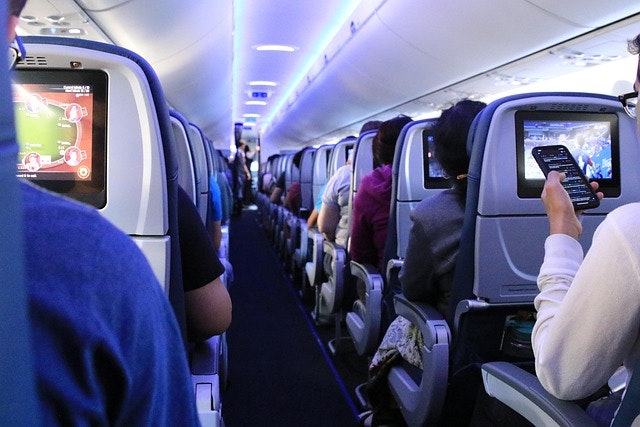
Flying involves many of the same physical challenges as driving, often with even less space to move. Remaining seated in a confined area for several hours can leave joints feeling stiff and may slow circulation in the lower legs.
Try to take a brief movement break about once an hour when possible. Gentle neck movements and slow shoulder circles in both directions can help release upper-body tension that builds while sitting during a flight.
Your hips benefit from movement as well. While seated, carefully bring one knee toward your chest at a time for a mild hip stretch. Alternate sides and move slowly to help relieve the tight feeling that can develop after sitting for an extended period.
Do not forget about your ankles and feet. Ankle circles and repeated foot pumps require very little room, but they can encourage circulation and help your lower legs feel less stiff after landing. Small, consistent movements often add up over the course of a long flight.
Use Posture to Reduce Neck and Upper-Back Strain
Stretching is helpful, but posture also plays an important role in travel comfort. Paying attention to how you sit can reduce unnecessary strain through the neck, shoulders, and upper back.
One common habit is letting the head drift in front of the shoulders while watching the road, reading, or looking down at a phone. The farther forward the head moves, the harder the neck muscles must work to support it. Over time, that added demand may lead to tightness in the neck, shoulders, and upper back.
Whenever possible, aim to keep your ears generally aligned above your shoulders. This small adjustment supports a more balanced position and can reduce excess strain on the neck.
A gentle chin tuck can also serve as a quick posture reset. Draw your chin slightly back, hold for a few seconds, and then relax. Repeating this movement periodically can help address tension before it has more time to build.
Brief Breaks Can Have a Meaningful Impact
Travel stretches do not require special equipment or a major time commitment. Most can be completed in one or two minutes, making them practical for a rest area, airport gate, or seat during a long flight.
Whether you are taking a break from the road, waiting for a flight, or sitting in the air, regular movement helps prevent muscles from becoming progressively tighter. Moving throughout the day is often more effective than waiting until the end of the trip to address stiffness.
Making these small habits part of your travel routine can help you arrive feeling more relaxed, comfortable, and ready to spend time with family and friends. For patients seeking natural pain relief solutions, these brief posture and mobility practices can be a useful complement to ongoing wellness care.
When Lingering Travel Pain Needs Attention
In many cases, travel-related stiffness improves within a day or two as you return to your typical routine and begin moving normally again. Gentle stretching and mindful posture can support the body’s natural recovery after a long drive or flight.
However, discomfort that continues after the trip, restricts your movement, or does not improve may deserve professional attention. Persistent pain can be a sign that your body needs more support than occasional stretching can provide.
At Durr Family Chiropractic, Dr. Sara provides patient-centered chiropractic care for individuals and families in Columbiana, Ohio. If travel has left you with ongoing neck or back discomfort, a chiropractic consultation and exam can help identify the source of the problem and determine whether personalized care may be appropriate.
As a local Columbiana chiropractor, Dr. Sara focuses on helping patients move more comfortably with an approachable, individualized experience. Contact Durr Family Chiropractic if lingering stiffness or pain is keeping you from feeling like yourself after holiday travel.